
Global Injustice: A Crisis We Continue to Ignore
When inequality becomes the norm, humanity begins to collapse

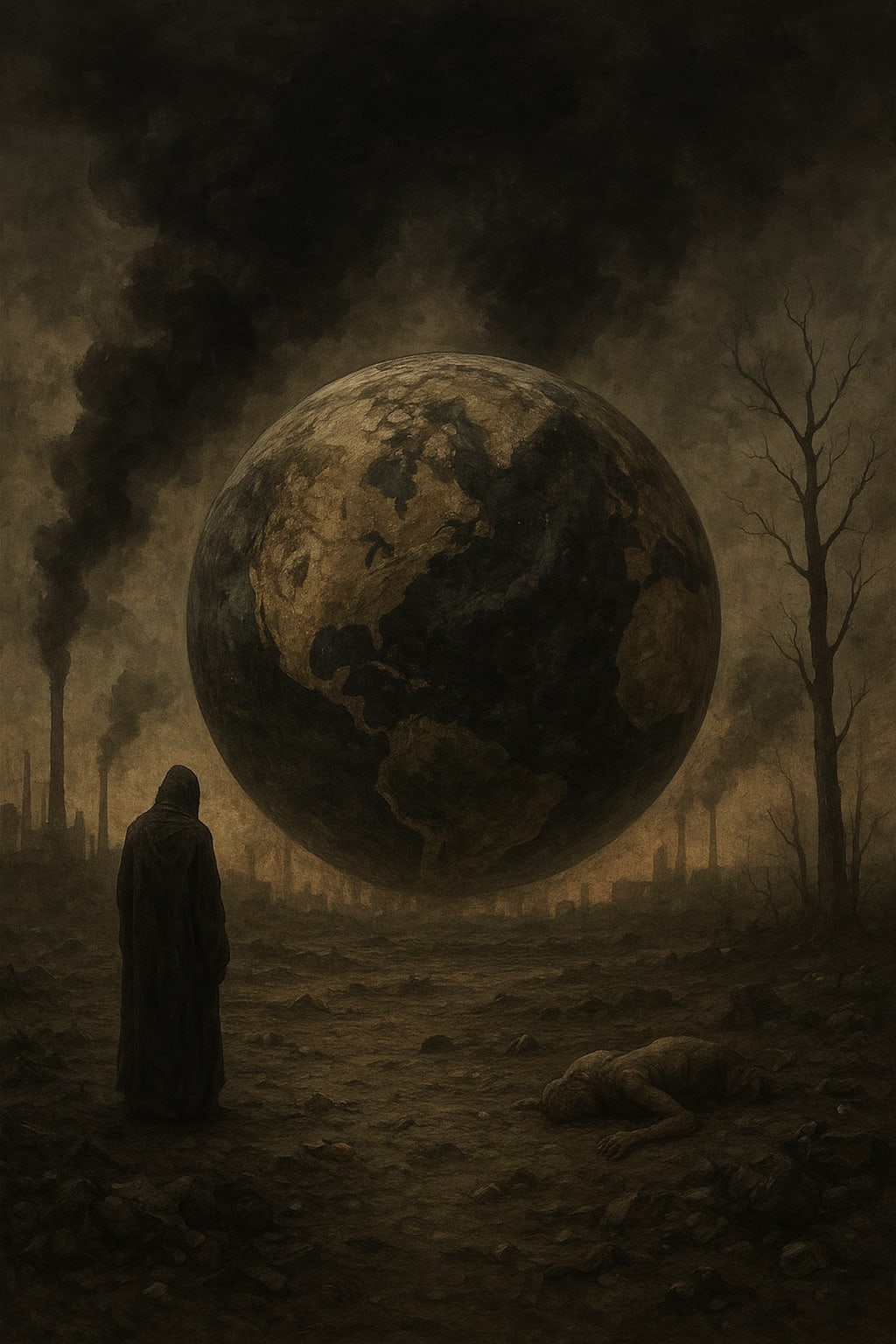
Global Injustice
By Faramarz Parsa
Every day, the weight of life grows heavier on the shoulders of the world’s most vulnerable populations—a situation that can no longer be considered ordinary inequality. This trend has become a serious threat to social stability and the future of humanity, signaling that if immediate action is not taken, the consequences will extend beyond today and affect generations to come.
Just as governments and international organizations invest billions to combat infectious diseases—racing to develop vaccines and treatments to protect populations—one fundamental truth is often overlooked: if the everyday struggles of people across the globe were alleviated, many human, social, and even health crises would never emerge, and global resources could be redirected toward constructive advancements.
Poverty is not merely a lack of money; it marginalizes individuals and deeply affects their mental health, wellbeing, and opportunities. The more people are trapped in conditions defined by pollution, waste, and inhumane living standards, the more their access to basic hygiene, mental health care, and dignity is stripped away. A society in which a large proportion of citizens endure such conditions inevitably moves toward instability and collapse, as the gap between the wealthy and the poor becomes too wide to sustain even minimal social justice.
Inequality knows no boundaries. It does not matter which country or continent one lives in—systemic injustice is widespread. Those in power accumulate wealth while remaining detached from the realities of human suffering. This structural indifference intensifies the risk of a social upheaval—an inevitable response from those who have been pushed too far for too long, as evidenced by numerous protests and uprisings around the world.
Billions of people live on low incomes, barely meeting the minimum standards for a dignified life. Women, in particular, bear a disproportionate share of global poverty—simultaneously shouldering economic hardship, social inequality, and the responsibilities of family life. This is not merely a statistic; it is a deep wound on the fabric of humanity that demands reflection and action.
While some argue that only a small percentage of people live in extreme poverty, the reality is that a significant portion of the global population lives far below humane living standards. This is not a temporary or localized issue—it is a worldwide crisis that, without collective action in economic, social, and educational spheres, will persist.
The vision of many policymakers and elites has been blinded by the accumulation of wealth and power. Their fortune consumes them, and the voices of the suffering are no longer heard. In such circumstances, injustice not only continues but gradually becomes normalized, pushing societies toward unpredictable crises.
Nevertheless, history has shown that injustice is not inevitable if there is a will to address it. Successful welfare-oriented economic models demonstrate that more equitable wealth distribution, along with universal access to education, healthcare, and social protection, can significantly reduce inequalities. These systems are not perfect, but they show that widespread poverty is often the result of political choices rather than natural necessity.
Fair and progressive taxation systems also play a crucial role in redistributing wealth. Without them, accumulated riches remain concentrated while the cost of crises falls disproportionately on the most vulnerable. When wealth exists without social responsibility, injustice becomes a standard, and societies edge closer to instability.
Yet solutions are not solely in the hands of policymakers. Civil society, independent organizations, and public awareness are the pillars of social balance. An informed society becomes demanding, and a demanding society is far less likely to accept injustice. Public silence is the greatest ally of inequality, while collective awareness can redirect the path toward justice.
Technology, though a powerful tool for progress, can deepen inequalities if not guided by ethical and human-centered principles. No technological advancement can compensate for the absence of justice. Today, more than ever, the world needs moral awakening, collective responsibility, and a redefinition of human values—before the accumulated weight of injustice reaches its breaking point and inflicts irreparable costs on humanity.
——————
2026/1/2
About the Creator
Ebrahim Parsa
⸻
Faramarz (Ebrahim) Parsa writes stories for children and adults — tales born from silence, memory, and the light of imagination inspired by Persian roots.
Keep reading
More stories from Ebrahim Parsa and writers in Journal and other communities.
Author’s Advice
If you would’ve asked me 20 years ago did I know I’d become a writer and an author, I would’ve said “nope, ain’t happening”. As fate would have it I did become an author and I can honestly say I’m loving it so far. It really does feel good to be a writer. I’ve learned a lot on this journey and I feel like with even me being as new to this world as I am, there’s some wisdom I need to share with every other aspiring author.
By Joe Patterson25 days ago in Journal
How Consumer PR Agency Builds Public Brand Trust
In a marketplace where consumer perception can influence success or failure, communication plays a central role in shaping brand identity. Businesses are no longer judged solely on their products or services; they are also evaluated on how they communicate, respond, and engage with their audiences. This is where a Consumer PR Agency becomes highly relevant.
By Tempt Agencyabout 10 hours ago in Journal
Something Is Beginning, I Think Challenge Winners
This challenge wasn’t about clean starts. It was about that weird in-between where something is beginning, but no one really knows what yet. A lot of these stories leaned into hesitation, into pauses and false starts and that feeling that something is about to happen but hasn’t quite.
By Vocal Curation Team4 days ago in Resources




Comments
There are no comments for this story
Be the first to respond and start the conversation.