
Ranking Every Team by Their National Title Potential
Mapping the road to the Final Four by separating the true contenders

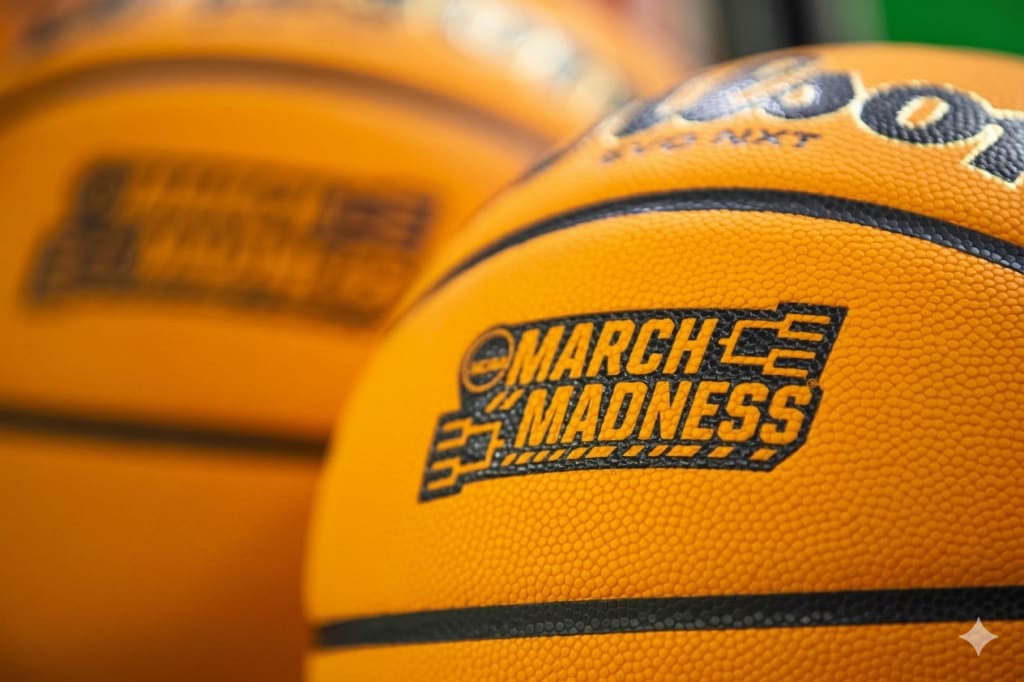
Every year, March Madness reminds us that "rankings" are just numbers on a page. But as we head into the 2026 tournament, the gap between the pretenders and the true national title contenders feels wider than ever.
I’ve spent the last few weeks diving into the tape and the advanced metrics, and I’ve realized that traditional brackets don't tell the full story. Instead of looking at who should win, I’m looking at how far each team can go before they hit a wall. Here is my personal breakdown of the 2026 field, categorized by their ultimate ceiling.
The Giants Who Could Cut Down the Nets
When I look at the top of the heap, a few names are undeniable. Arizona is the most complete unit I’ve seen this season; they have that rare blend of Big 12 physicality and elite backcourt play from Jaden Bradley. Then there’s Duke. Even if Caleb Foster isn't at 100%, having a talent like Cameron Boozer means they can simply out-talent 95% of the bracket.
The real surprise for me has been Michigan. They’ve been playing "bully ball," winning games by 30 or 40 points because their front court—Lindenborg, Johnson Jr., and Mara—is just too big for the modern small-ball era. Along with the defending champion Florida Gators and a battle-tested Purdue squad, these are the only teams I truly trust to win six games in a row.
The Final Four Threats and "Almost" Contenders
There’s a group of teams that I love, but I worry about their "bad day" potential. Arkansas is electric under Calipari, and Michigan State has that classic Tom Izzo grit, but do they have the depth to survive three straight weekends against elite size? Probably not.
I’m also keeping a close eye on Virginia. They nearly pulled off a miracle in the ACC title game against Duke. Their defense is elite, and in a tournament where shooting can go cold, their physical style could carry them all the way to the final weekend.
Where the Magic (and the Upsets) Will Happen
The Sweet 16 is usually where the "Cinderella" stories end, but this year's mid-majors are built differently. Akron is my favorite "bracket buster"—Tavari Johnson is a pro-level scorer who can carry a team past a distracted high-major in the first round.
Similarly, St. John’s is playing some of the most inspired basketball in the country right now. Their win over UConn wasn't a fluke; they are dominant in the paint. If they can find some consistency from the perimeter, an Elite Eight run isn't out of the question for Rick Pitino's group.
The Early Exits: Hard Draws and High Hurdles
Unfortunately, the committee wasn't kind to everyone. I really like what Ohio State and TCU have done this year, but being stuck in an 8/9 game against a juggernaut like Duke in the second round is a death sentence.
For the smaller programs like High Point or McNeese, a first-round win is their ceiling. They have the heart, but they lack the 40-minute depth required to keep up with the "Big Ten" or "SEC" rotations once the game reaches the final ten minutes.
Final Thoughts
March is about more than just stats; it’s about matchups. While the "National Title Favorites" have the easiest path, the beauty of this tournament is that one cold shooting night can level the playing field. I’ll be watching the West region closely—it feels like the most volatile part of the bracket this year.
Note: This analysis was developed with the assistance of AI tools for data organization and structural refinement, though the final rankings and sports commentary reflect my own editorial judgment and basketball analysis.
About the Creator
Jesse
I just love to write
Has the Conflict Between Pakistan and Afghanistan Come to an End?
Introduction For observers in South Asia and beyond, tensions between Pakistan and Afghanistan have been a significant and worrying development in 2026. Long‑standing mistrust, cross‑border militant activity, and a recent cycle of violence prompted fears of a full‑blown war. But after intense clashes and international pressure, the situation has shifted to a temporary pause in fighting — though peace remains fragile. �
By shaoor afridiabout 11 hours ago in Geeks



Comments
There are no comments for this story
Be the first to respond and start the conversation.