
The Art and Science of Tea Cultivation
Tea Cultivation

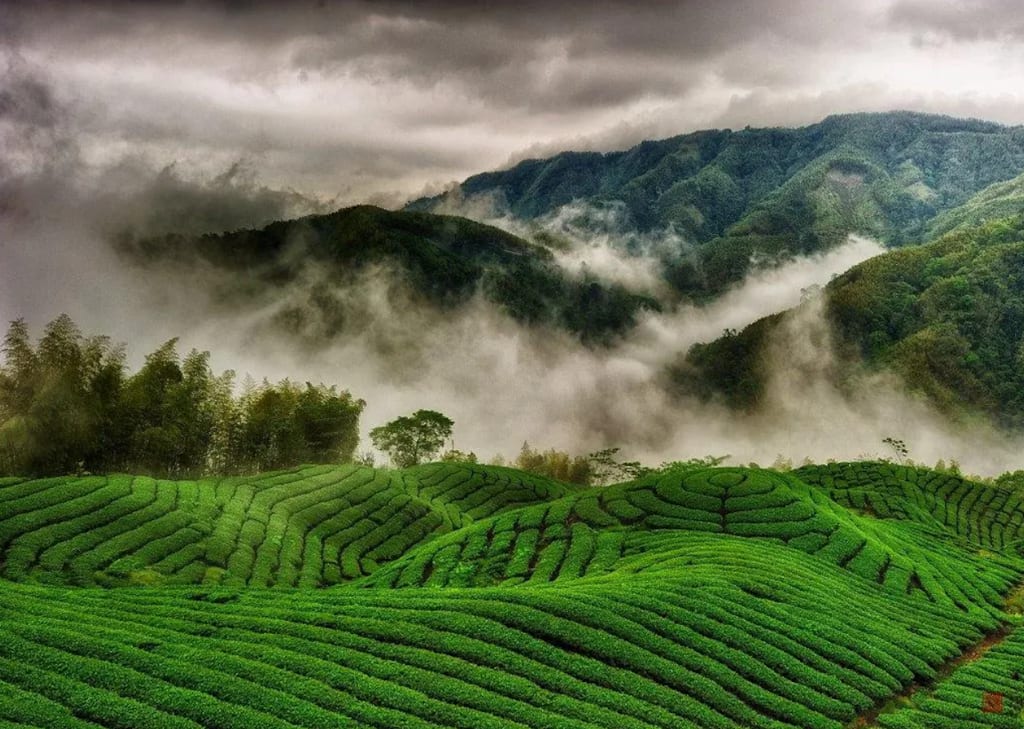
Tea, the world’s second most consumed beverage after water, has a rich history stretching back thousands of years. Behind every cup of tea lies a complex process of cultivation that blends traditional techniques with modern innovations. From lush mountain slopes to sun-drenched plantations, tea cultivation is both an art and a science, demanding patience, knowledge, and respect for nature.
Tea cultivation is believed to have started in China over 5,000 years ago. Legend credits Emperor Shen Nong with the discovery of tea when tea leaves accidentally fell into his boiling water. From China, tea spread to Japan, India, and beyond, eventually becoming a global phenomenon. Today, the leading tea-producing countries include China, India, Sri Lanka, Kenya, and Vietnam.
The Ideal Conditions for Growing Tea
Tea plants (Camellia sinensis) thrive under very specific conditions:
1. Climate: Tea requires a tropical or subtropical climate with abundant rainfall (at least 100–200 cm per year) and high humidity.
2. Altitude: Many high-quality teas are grown at higher elevations (up to 2,100 meters). The cooler temperatures slow plant growth, leading to more complex flavors.
3. Soil: Tea plants prefer acidic, well-drained soils rich in organic matter.
4. Shade and Sunlight: Young plants benefit from some shade, while mature plants need plenty of sunlight to thrive.
The Process of Tea Cultivation
1. Propagation: Tea plants are typically propagated through seeds or cuttings. Cuttings are preferred to ensure consistency in flavor and quality.
2. Planting: Seedlings are planted with careful spacing to allow room for growth. It can take about three years before the plants are mature enough to harvest.
3. Pruning: Regular pruning keeps the bushes low and encourages the growth of new shoots, which produce the best tea leaves.
4. Harvesting: The best teas are made from the young, tender leaves and buds. Picking is often done by hand to ensure only the finest leaves are collected. This labor-intensive method contributes to the higher cost of premium teas.
5. Processing: Once harvested, the leaves are quickly processed to preserve their freshness. The type of processing — whether withering, rolling, oxidation, or drying — determines the style of tea produced (green, black, oolong, white, or pu-erh).
Challenges in Tea Cultivation
Tea farmers face several challenges:
1. Climate Change: Shifting weather patterns affect rainfall and temperatures, threatening traditional tea-growing regions.
2. Pests and Diseases: Tea plants are vulnerable to pests like tea mosquitoes and diseases like blister blight.
3. Labor Shortages: Tea harvesting requires a skilled workforce, but younger generations are moving away from agriculture, leading to labor shortages.
4. Market Prices: Fluctuations in global tea prices can impact the livelihoods of small-scale farmers.
Sustainability and Innovation
To combat these challenges, many tea estates are adopting sustainable practices:
1. Organic Farming: Avoiding synthetic pesticides and fertilizers to protect the environment and consumer health.
2. Shade-Grown Tea: Using natural tree cover to protect plants and enhance soil health.
3. Fair Trade Certification: Ensuring farmers receive fair wages and work in safe conditions.
4. Technology: Some plantations use drones, smart sensors, and AI to monitor crop health and optimize yields.
Tea cultivation is a delicate dance with nature, requiring careful attention at every step. Each leaf carries the story of the soil, the climate, and the hands that nurtured it. As consumers, understanding the journey from tea garden to teacup adds an extra layer of appreciation to every sip. Whether it’s a bold Assam, a fragrant Darjeeling, or a delicate Sencha, every tea offers a taste of tradition and the wonders of cultivation.
About the Creator
Keep reading
More stories from Gustavo Woltmann and writers in Chapters and other communities.
The Remarkable Benefits of Drinking Tea
For centuries, tea has been cherished not only for its comforting taste but also for its remarkable health benefits. From ancient Chinese medicine to modern scientific studies, tea continues to be praised for its healing properties. Whether it’s green, black, oolong, white, or herbal, each cup offers a world of wellness.
By Gustavo Woltmann10 days ago in Chapters
The Cave Part 11
Darkness, and the countless points of light, as if the entire void beyond was filled with the fire of a million stars. I felt as if I was staring into the eternity of a night sky beyond those wooden doors, the place beyond the actual reality, while I stood behind a curtain of scenery, the mountain and sky a mere pretense. And in that void beyond of unfathomable space, there hung suspended a mighty shard of crystal floating in place, with hundreds of a far smaller chunks orbiting around it in balanced but intersecting circles, no two in the same path. These caught the light from the center, and sparkled with inner fire each.
By Jamye Sharpabout 16 hours ago in Chapters
ThunderCats Fanfiction Project (Ch 6 Episode 2)
As the Mutant flotilla clears the radioactive haze, the truth becomes undeniable — the Thunderan convoy has survived. Under Rittler’s ruthless doctrine, Slithe and his commanders close in with discipline, hunger, and purpose. While the Thunderans flee blind and fractured, the Mutants hunt with cold precision… and the jaws of the trap begin to close.
By Marcellus Grey3 days ago in Chapters
Ghostly Happenings in Colorado
Disturbed Spirits In Denver, an expanse of greenery, Cheesman Park comes with a macabre history since it was once a burial ground known as Mount Prospect Cemetery established by General William Larimer in 1858. The job of exhuming bodies began, and some were left behind resting beneath the park. However, the ghostly spirits don’t wish to rest in peace beneath the park, and visitors here have felt cold touches, seen ghostly children playing at night, and heard a singing lady who disappears when approached.
By Rasma Raisters5 days ago in Horror




Comments